Video has become a normal way to access information. A short video clip can frequently provide more information than a page of text. Visual content lets users look through social feeds, and to explore the products available, as well as watch tutorials. The challenge has always been creating. Professional video was once a requirement for tools, editing skills, time, patience. This gap is being closed by AI video technology.
Vivideo.ai lets anyone create high-quality videos, even with no technical knowledge. Users are able to focus on the content instead of being concerned about complicated software or time-lines. The system will handle all the rest.
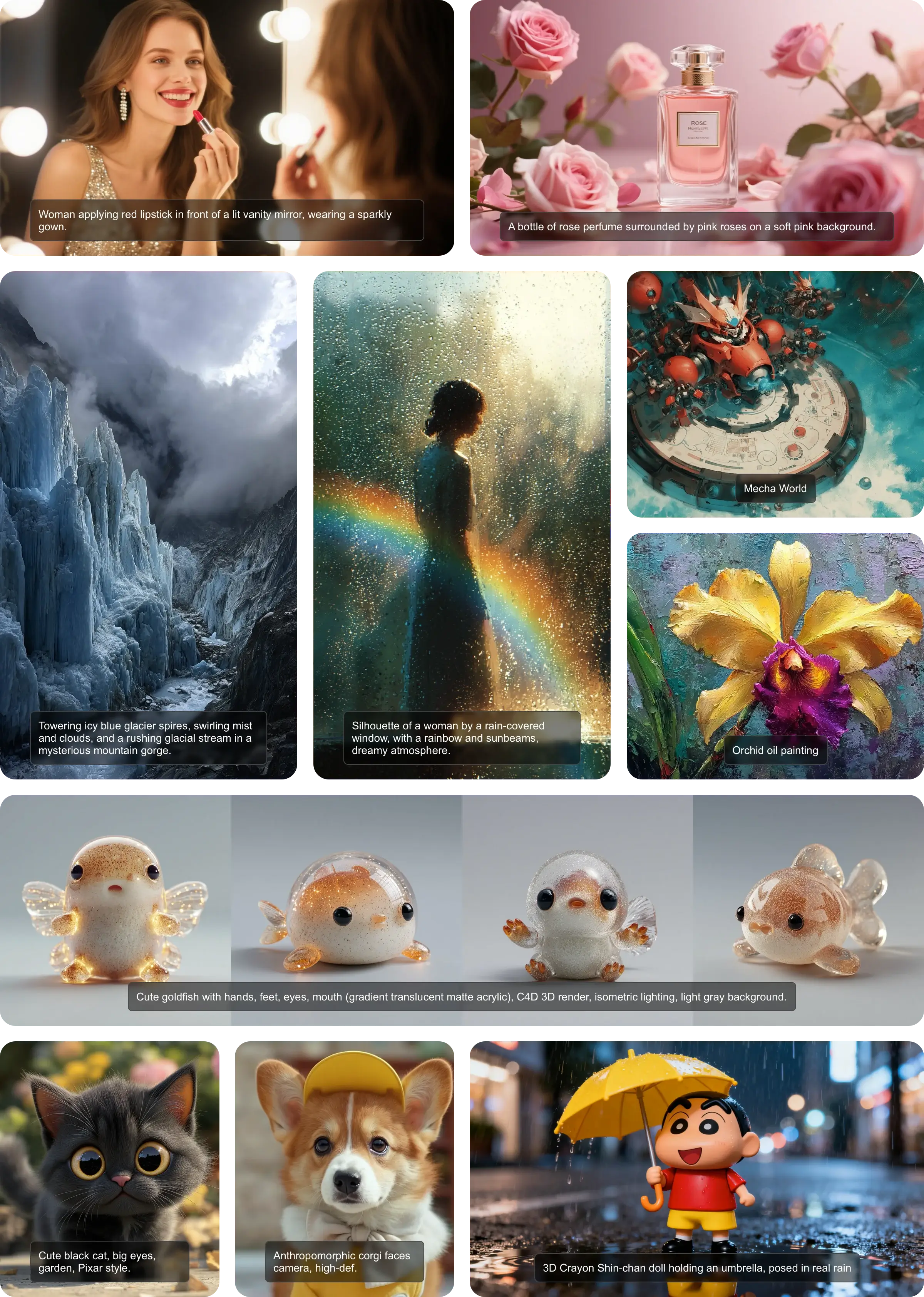
Image credit: vivideo.ai
The Video Creation Process: A Different Approach
Traditional video production requires many steps. Planning, filming, editing, voice recording, exporting. Each step required the use of tools, resources and even money. The video maker AI simplifies the process by combining it into a single process. You describe your idea. The system makes a film about your concept.
This is changing who can produce content. Small business owners can create marketing videos. Teachers create lessons. Coaches make training materials available to their students. Social creators are consistent and avoid feeling exhausted. The editing process is more like writing.
Making Ideas Visible
One of the most useful features today is text to video. You paste a script. The AI selects visuals that are in line with the message. Music appears automatically. A natural voice narration is added. The final product looks as if it was created by the time of a professional team to create.
This eliminates the hesitation. People no longer have to wait around for the right conditions. They try out their ideas quickly. They can improve their content on feedback. They are more likely to publish because the barrier feels less.
Motion to static images
Image to Video is another effective tool. The majority of photos appear flat on their own. AI creates visual flow, movement, and timing. A few images turn into a story. An image of a product turns into a quick promo. A slide set can be transformed into an instructional video.
You can use this to promote your product, tell stories and online presentations. No animation skills are required. The system has the ability to make motions that feel natural.
Editing Without Frustration
Traditional editing tools can be overwhelming for newbies. Layers, timelines, formats confuse most people. AI platforms ease this burden. Users can adjust scenes by using simple controls. Change the pace. They change the visuals. They alter narration.
Subtitles automatically appear in several languages. That helps reach wider audiences. Additionally, it increases accessibility for viewers who want captions.
Voices That Sound Real
Artificial voice technology based on intelligence has advanced to the point where it is now able to make human sound. You can pick the type as well as the tone and language. The voice is appropriate for the message. No microphones are required. No studio setup. No retakes.
Some platforms even include digital presenters. These avatars are animated and speak on the screen. They’re great to convey training information or explainers, as well as business updates. It’s like an intimate message, without the necessity for filming in real time.
Quality without Compromise
AI-generated video output supports high resolution. Content can be used with YouTube, TikTok Instagram and LinkedIn. Formats are automatically adjusted. You create once. You can share it everywhere.
This helps to save time. The branding remains consistent across all platforms.
How AI Videos Feel Different
The actual change isn’t technically based. It’s an emotional experience. People forget about the tools. They focus on their concepts. They’re comfortable experimenting. They experiment and create without stress.
Vivideo.ai shift video creation from something stressful into something natural. You are thinking. You think. You publish. Technology fades into background.
AI video is not an alternative to creativity. It helps to reduce friction. It allows users to share stories, lessons, and information without being stifled by their complexity. Future content is lighter, quicker, and more human.